
Identity
Reference the people, organizations, and Agents involved.
Agent Trust Protocol is an open protocol for expressing, signing, storing, and verifying trust-related information across Agent interactions. It helps identity references, claims, agreements, authorizations, and key events carry evidence that participants can check beyond a single interface.
Three layers that turn trust into portable, verifiable events.

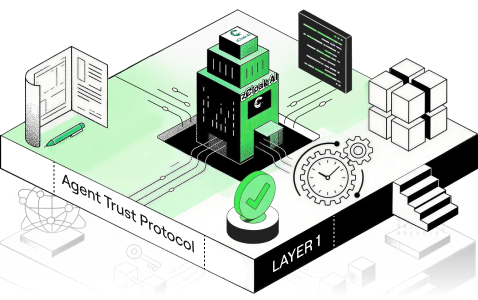
ATP provides a shared structure for the identities, statements, commitments, permissions, and events involved in an interaction.
Reference the people, organizations, and Agents involved.

Express what is being asserted, offered, or accepted.
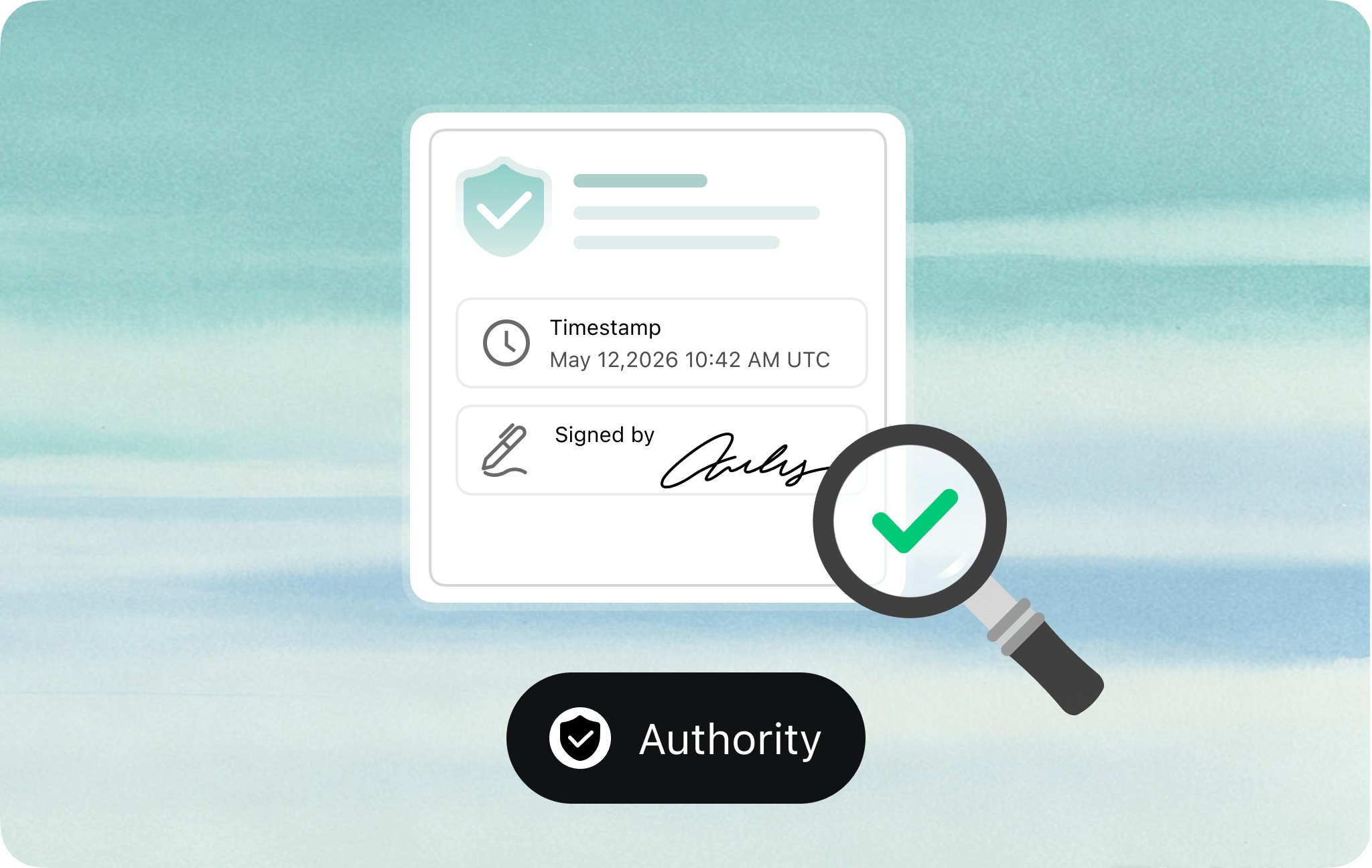
Confirm who signed, who approved, and what authority applied.
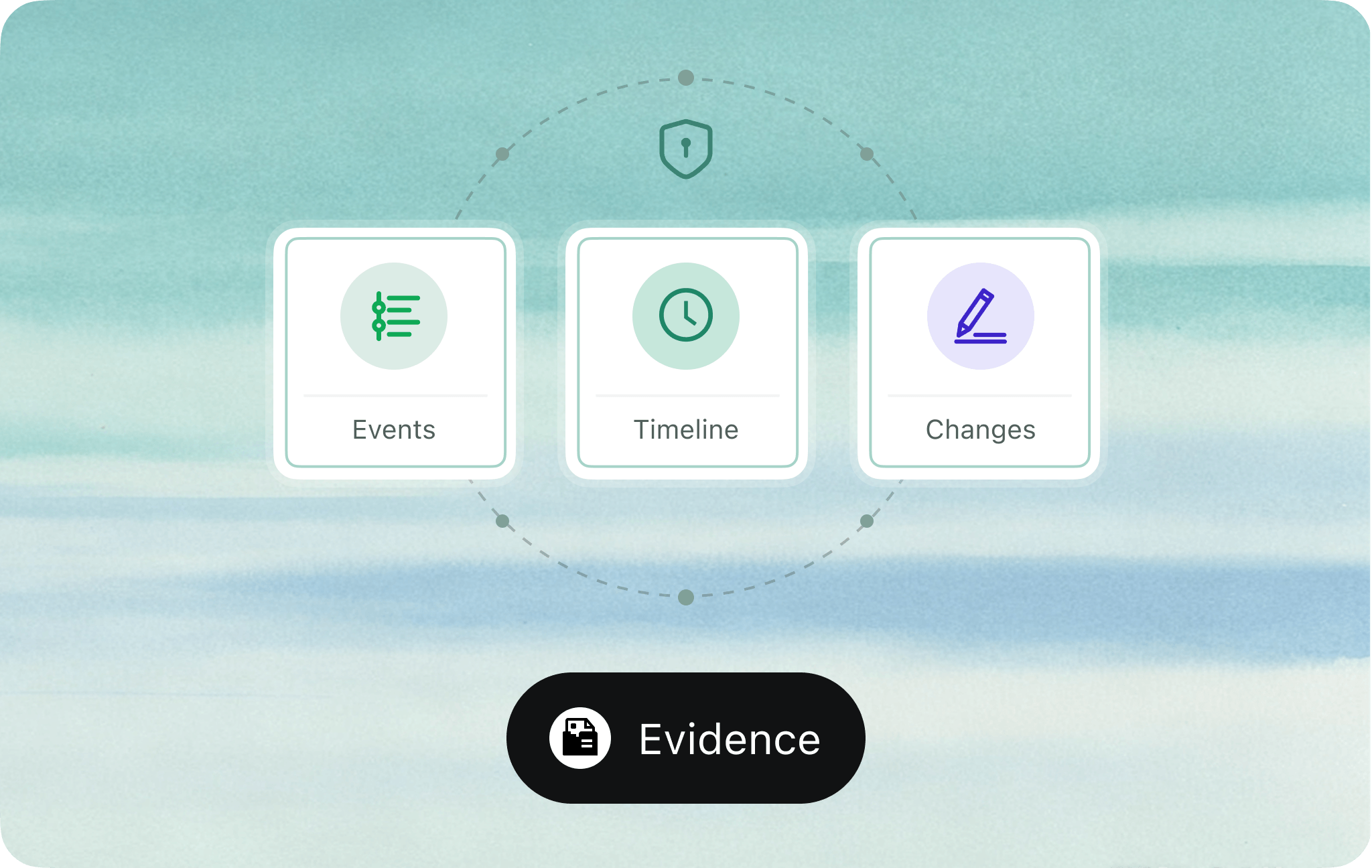
Review what happened, when it happened, and whether the record changed.
Every trust event should answer four questions.

Who created it?

What does it cover?

Has it changed?

When did it apply?
Let Agents move quickly without losing identity, human authority, or proof.

IDENTIFY
Know which person, organization, or Agent is acting.

ACT
Connect claims, agreements, and events to their source.

AUTHORIZE
Sensitive or irreversible actions can require explicit human authorization.

VERIFY
Signed, timestamped events remain independently verifiable.
 Published Agent Trust Protocol events are cryptographically signed, timestamped, and tamper-evident.

AI-ID, AN AGENTIC IDENTITY BUILT ON ATP
AI-ID brings together a cryptographic Identifier, a human-readable AI-Name, and an AI-Profile, so people, organizations, and autonomous Agents can be identified across protocol-compatible interactions.
Cryptographic identity anchor

Human-readable identity

Identity content and relationships